Support +254 734 916745

10 Mistakes First-Time Authors Make in Submitting Manuscripts to Publishers

By Risper Atieno
Every publisher has a quiet archive of submissions that never made it past the first impression. Not because the ideas were bad, but because avoidable mistakes stood in the way of serious consideration. Over time, we have received countless manuscript submissions from first-time authors, and certain patterns consistently repeat themselves.
Some of these experiences come quickly top of mind: manuscripts pasted directly into the body of an email instead of being attached as a properly formatted document; unclear or overly casual subject lines that make it difficult to track submissions in a crowded inbox; and in some cases, pitch emails sent without the manuscript attached at all. While these may seem like minor oversights, in a professional publishing environment, they often determine whether a manuscript is even opened.
This article highlights the most common mistakes first-time authors make before submitting their work, and why avoiding them significantly improves the chances of being taken seriously by publishers.
1. Skipping Proofreading
One of the most common and immediate red flags is the failure to proofread. Typos, grammatical errors, inconsistent tense, and awkward sentence structures signal a lack of refinement.
Proofreading is not optional because it is the first layer of quality control. Authors are encouraged to read their work aloud, run spell checks, or even use text-to-speech tools to identify clunky phrasing and inconsistencies. A clean manuscript reflects care, discipline, and professionalism.
2. Ignoring Formatting Guidelines
Publishers may specify font type, spacing, margins, file formats, and submission structure for a reason. Yet many first-time authors ignore these instructions and submit overly designed documents with coloured fonts, images, or inconsistent formatting.
Failure to follow guidelines suggests a lack of attention to detail and in most cases, it also slows down the review process or leads to immediate rejection.
3. Submitting to the Wrong Publisher
Not every publisher accepts every type of manuscript. Submitting a science fiction novel to a publisher that specialises in academic text or non-fiction is an instant mismatch.
Before submitting, authors must study a publisher’s catalogue, genre focus, and submission guidelines. A good match significantly increases the chances of serious consideration.
4. Weak Query Letters or Synopses
The query letter is essentially the author’s pitch. Yet many first-time writers submit vague introductions, overly long summaries, or fail to communicate the core hook of their story.
A strong query letter should clearly explain the concept, highlight what makes the book unique, and include essential details such as word count and genre.
5. Submitting Unfinished or Unrevised Drafts
Many first drafts carry raw creative energy, but they are rarely ready for publication. Publishers expect multiple rounds of revision, editing, and refinement before submission.
Feedback from beta readers or editors is essential. A manuscript that has not been revised often reflects structural weaknesses that undermine its potential.
6. Overwriting the Opening
Some manuscripts spend too much time on backstory, world-building, or lengthy descriptions before the actual narrative begins. While context is important, a slow or heavy opening can weaken reader engagement.
Publishers look for strong, immediate hooks that draw readers into the story quickly.
7. Misunderstanding the Market
A strong manuscript is not created in isolation. Authors are expected to understand the publishing landscape, including comparable titles published within the last few years.
Knowing 2–3 similar books helps an author position their work and explain how it differs or adds value to the market.
8. Mass Submission Without Personalisation
Another common mistake is sending identical emails to multiple agents or publishers without personalisation. Generic messages addressed to “Dear Agent” or “Dear Editor” often signal lack of research.
Effective submissions should be tailored to a specific publisher. Mentioning why a specific publisher was chosen demonstrates seriousness and professionalism.
9. Ignoring Feedback or Becoming Defensive
Feedback is part of the publishing process. However, some authors become defensive or dismissive when receiving revision suggestions.
While not every comment must be accepted, unwillingness to revise often signals rigidity and makes collaboration difficult.
10. Poor Submission Hygiene
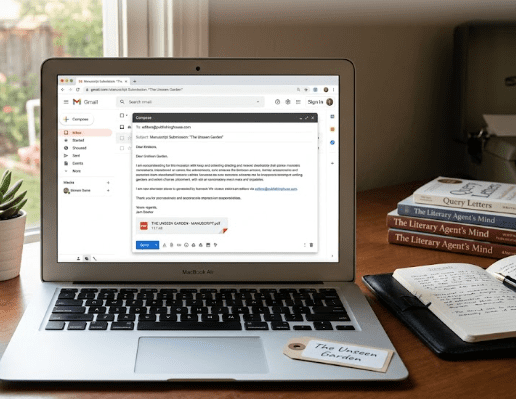
Finally, small technical mistakes can have major consequences. Missing attachments, unclear subject lines, or incomplete emails are surprisingly common. In busy editorial inboxes, such errors can result in submissions being overlooked or lost entirely.
A properly labelled email, with clearly attached documents and a professional structure, significantly improves the chances of engagement.
Most first-time author mistakes are not about talent, they are about preparation. Publishing is a professional industry with clear expectations, and understanding these expectations is the first step toward success.
Avoiding these common errors does not guarantee publication, but it ensures that a manuscript is given a fair and serious chance of being read and evaluated.
The writer is a research assistant at Free Press Publishers.