Support +254 734 916745

Is Your Manuscript Ready for Submission? A Guide for First-time Authors

For many aspiring writers with dreams of seeing their books published, one important question often arises before approaching a publisher: Is my manuscript truly ready for submission? First-time authors often send unfinished or poorly prepared manuscripts to book publishing companies, only to face rejection or long delays. In many cases, the problem is not the idea itself, but the level of preparation. A strong manuscript should be complete, well-structured, and professionally presented. For Kenyan authors hoping to succeed in today’s competitive publishing environment, taking time to assess readiness is an essential first step.
Start with a Complete Manuscript
The first step in determining if a manuscript is ready is writing it to completion. Some writers become excited after finishing a few chapters and begin contacting publishers in Kenya and around the world too early. However, most publishers prefer to review complete work so they can judge the full quality, direction, and potential of the project. Whether it is a novel, memoir, children’s story, academic text, or business book, the manuscript should have a clear beginning, middle, and end. All chapters should be finished, and any missing sections such as introductions, acknowledgements, references, or appendices should be included where necessary.
Revision is Where Good Writing Happens
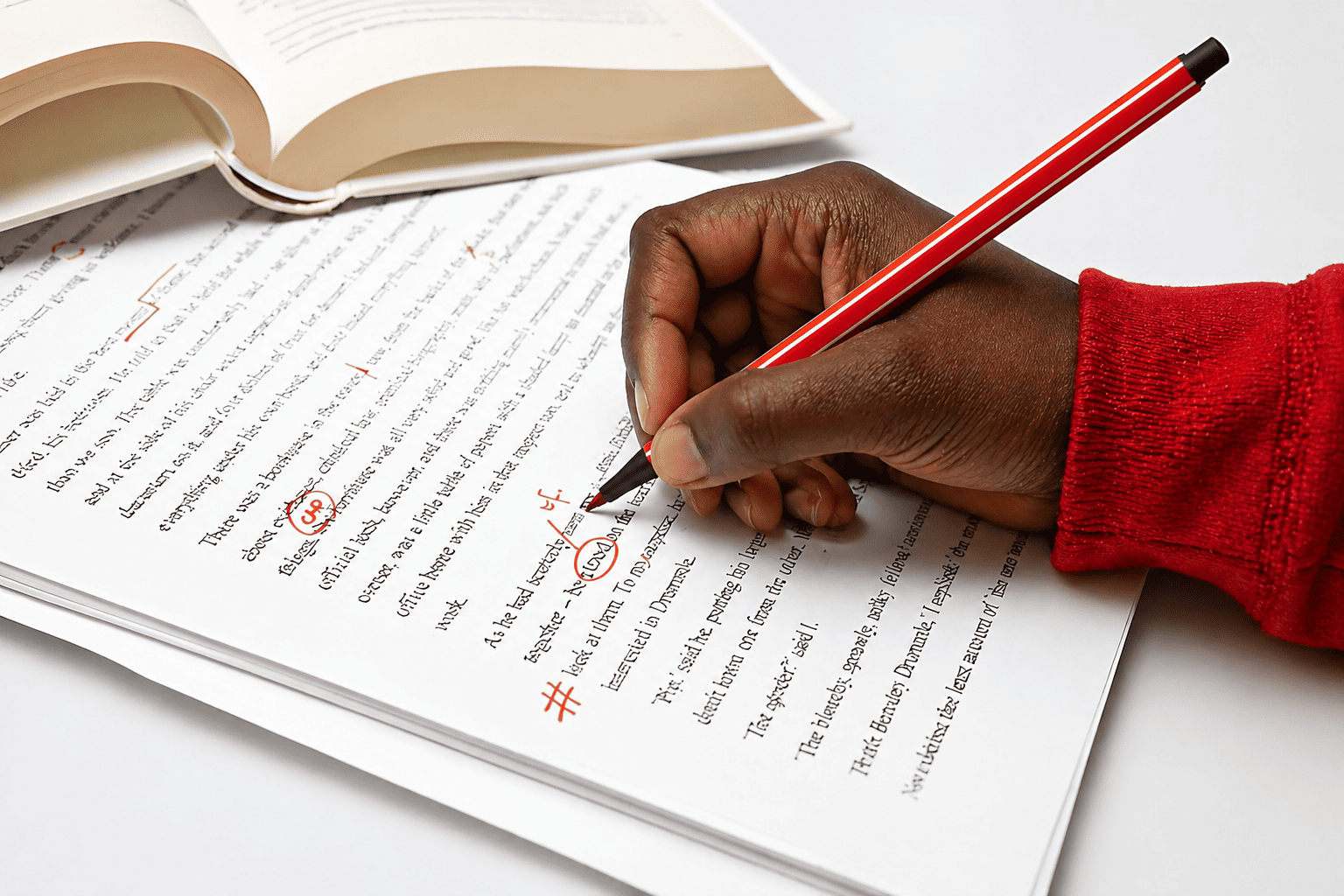
Once the manuscript is complete, revision becomes the next critical stage. Any experienced author will tell you that the first draft is rarely the final draft. Great writing is often produced through rewriting, editing, and refining ideas. Authors should read through their work several times, improving grammar, sentence flow, clarity, and consistency. Repetition should be removed, weak sections strengthened, and factual errors corrected. Many new writers rush to print too quickly, especially in the age of self-publishing, yet careful revision often separates amateur work from professional-quality books. Any Kenyan publishing company will appreciate a manuscript that has clearly been improved through multiple drafts.
Ensure the Structure Flows Naturally
Structure is another important factor in manuscript readiness. A book must be easy to follow and logically organized. In fiction, readers expect a compelling opening, believable characters, steady pacing, and a satisfying ending. In nonfiction, chapters should flow naturally, with clear headings and strong arguments or explanations. For textbooks or scholarly manuscripts, chapters should build knowledge progressively and maintain academic coherence. Weak organization can make even a brilliant topic difficult to read, which is why many book publishers in Nairobi closely examine structure before making decisions.
Proofreading Creates a Strong First Impression
Small spelling mistakes, punctuation errors, inconsistent formatting, or careless page numbering can create a poor first impression of you as an author. A publisher may assume that a manuscript full of avoidable errors has not been taken seriously by the author. Before submission, writers should carefully proofread the entire document, use spelling tools, and read some sections aloud to catch awkward phrasing. If possible, it is wise to ask another person with strong language skills to review the manuscript as well.
Seek Honest Feedback Before Submission
Another valuable idea in determining manuscript readiness is receiving outside feedback. Writers are often too close to their own work to notice weaknesses. Sharing the manuscript with trusted readers, fellow writers, teachers, or professionals can reveal issues that need attention. Readers may point out confusing sections, pacing problems, unclear language, or areas that need more depth. Honest feedback is one of the most effective ways to improve a manuscript before submitting it to a publishing house.
Academic Authors Should Use Peer Review
For academic authors, peer review is especially important. Those writing textbooks, research works, scholarly books, or professional guides should seek opinions from experts in their field. Peer reviewers can assess factual accuracy, methodology, references, and relevance to the education systems or professional environment. Peer comments often strengthen credibility and increase the manuscript’s chances with academic publishers in Kenya. Ideally, authors should seek feedback from at least two knowledgeable reviewers before submission.
Professional Formatting
Document formatting is one of the most important indicators of professionalism. Your manuscript should use readable fonts, clear spacing, consistent headings, and numbered pages. The title page should include the book title and author details. Publishers may have specific submission guidelines, so authors should always check whether Word documents, PDFs, or printed copies are preferred. Following instructions carefully shows seriousness and respect for the publisher’s processes.
Know Your Target Audience
Finally, as an author, you should understand the audience for the book. Every publisher wants to know who will read and buy the manuscript. Is it meant for children, university students, business professionals, church groups, or the general public? Does it solve a problem, entertain, educate, or inspire? A manuscript with a clear target audience has stronger commercial potential and often stands out among submissions.
Kenya’s publishing industry continues to grow, creating opportunities for storytellers, researchers, teachers, and thought leaders. However, competition for attention remains high. Before sending work to any book publishing company in Kenya, authors should honestly evaluate whether the manuscript is complete, revised, proofread, reviewed, formatted, and market ready. A polished manuscript does more than improve chances of acceptance, it reflects discipline and professionalism.